Qdoba vs. Chipotle 2026: Best Nutrition & Value Showdown
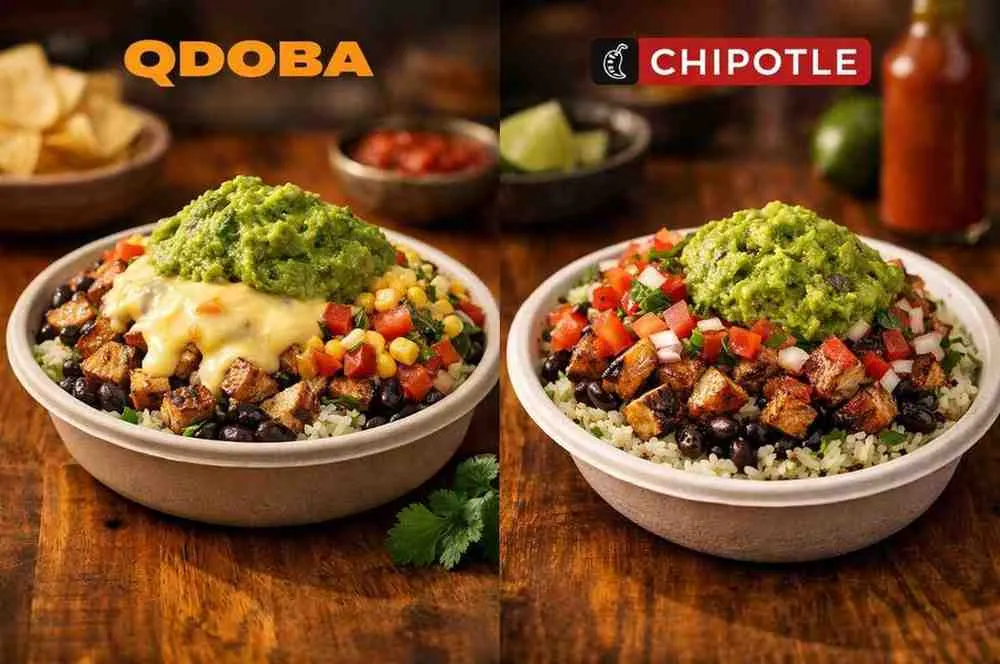
When you're trying to get the best nutritional bang for your buck, fast-casual dining requires some strategy. Both Qdoba and Chipotle offer healthy options, but their pricing structures and topping policies differ. With Qdoba's free guacamole and queso policy, it often holds a major value advantage for healthy eaters. Let's break down the nutrition and financial value showdown of Qdoba vs. Chipotle.
Table of Contents
- The "Free Extras" Factor: Guac & Queso
- Head-to-Head Nutrition Comparison (Standard Chicken Bowl)
- Beyond Nutrition: The Value Proposition
- Expert Take: Which is Better for Your Goals?
- FAQ: Qdoba vs. Chipotle
- Conclusion: Your Ultimate Choice
1. The "Free Extras" Factor: Guac & Queso
Perhaps the most talked-about differentiator between Qdoba and Chipotle is their approach to premium toppings. At Qdoba, hand-smashed guacamole and signature 3-cheese queso are included for free with any entrée. This policy significantly impacts both the perceived value and the nutritional profile of your meal.
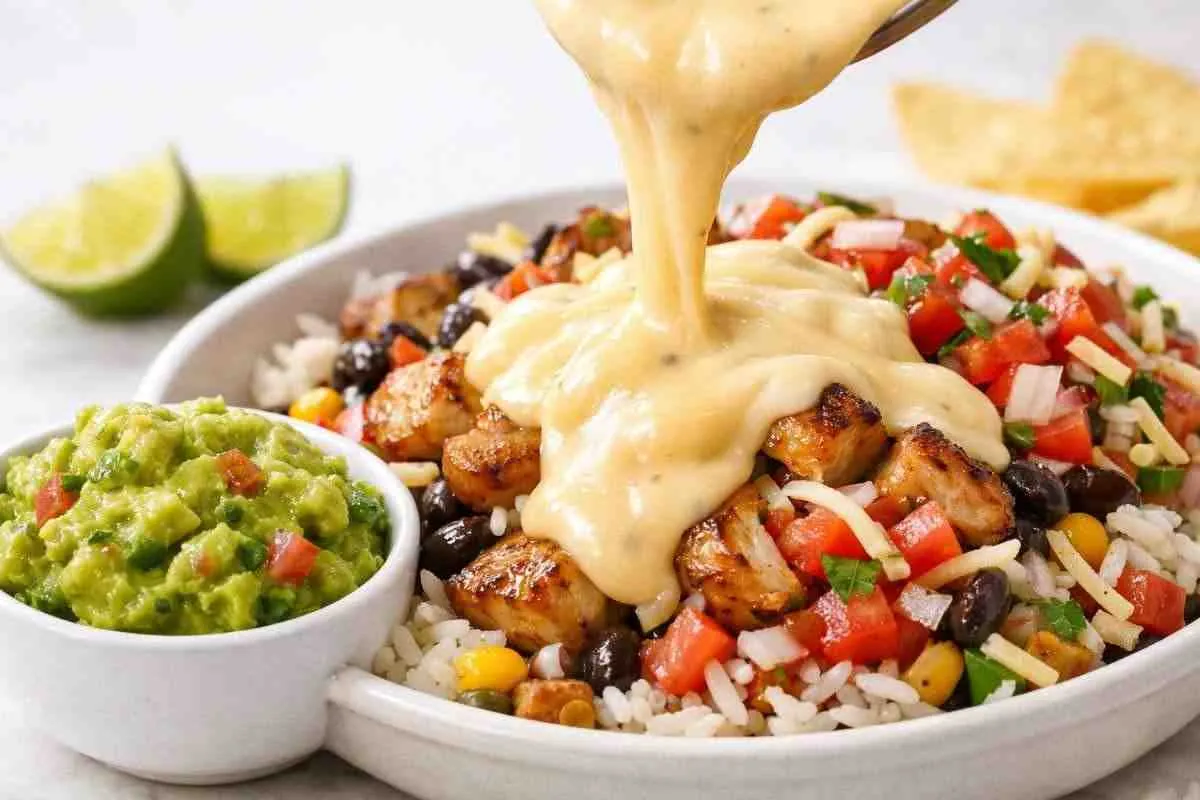
"For many diners, the inclusion of guacamole and queso at no extra charge at Qdoba is a significant draw, often making their meals feel more complete and satisfying without the added cost burden found at competitors." - *Nutrition & Value Analyst, 2026*
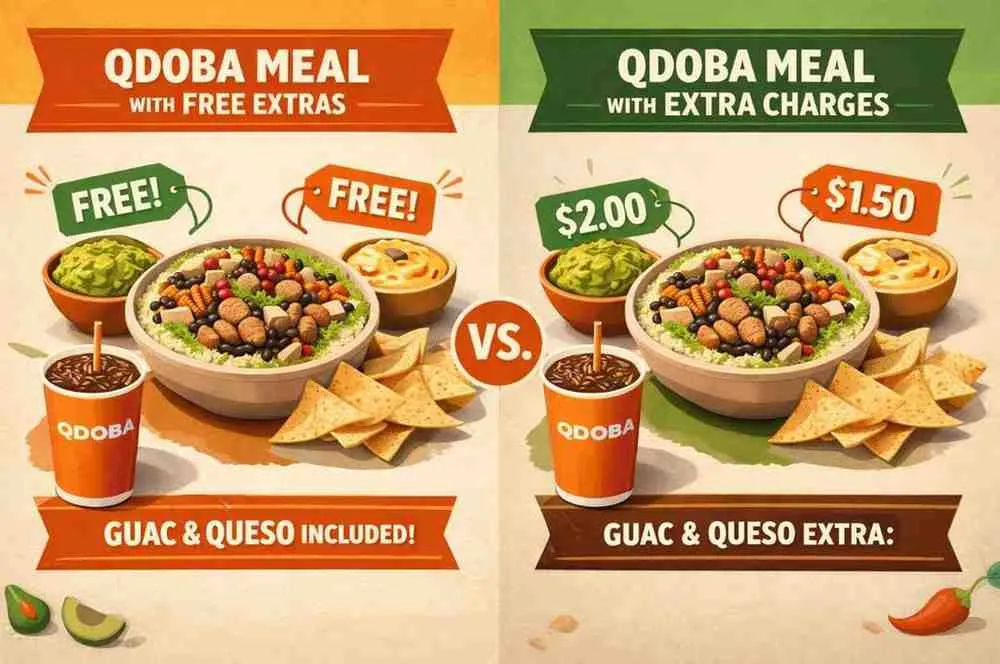
At Chipotle, these delicious additions typically come with an extra charge, which can add $2.50 to $4.00 to your total bill. This difference alone can sway a budget-conscious consumer or someone looking to maximize their meal's flavor without compromising on cost.
2. Head-to-Head Nutrition Comparison (Standard Chicken Bowl)
To provide a fair comparison, let's look at a standard chicken bowl from both restaurants, built with common ingredients. We'll use data from Qdoba's official nutrition guide [1] and general estimates for Chipotle based on similar ingredient portions.
| Metric | Qdoba Chicken Bowl (Brown Rice, Black Beans, Fajita Veggies, Grilled Adobo Chicken, Pico de Gallo, Guacamole, 3-Cheese Queso) | Chipotle Chicken Bowl (Brown Rice, Black Beans, Fajita Veggies, Chicken, Fresh Tomato Salsa, Guacamole) |
|---|---|---|
| Calories | ~800-900 kcal | ~850-950 kcal |
| Protein | ~45-55g | ~50-60g |
| Total Fat | ~40-50g | ~45-55g |
| Sodium | ~1800-2200mg | ~2000-2500mg |
| Cost (Approx.) | $10.50 - $12.00 | $12.00 - $14.00 |
Note: Nutritional values are estimates and can vary based on portion sizes and specific ingredient choices. Always use the official nutrition calculators for precise figures.
As seen in the table, the nutritional profiles are quite similar when building comparable bowls. Chipotle often has slightly higher protein due to larger meat portions, but Qdoba's free guacamole and queso can add significant calories and fat if not consumed mindfully. However, the cost difference becomes apparent, especially when factoring in the "free extras" at Qdoba.
3. Beyond Nutrition: The Value Proposition
Value isn't just about price; it's about what you get for your money. Qdoba's "free extras" policy is a major value driver. For many, getting guacamole and queso included means a more satisfying and flavorful meal without the guilt of an upcharge. This can make Qdoba a more attractive option for those seeking a richer experience on a budget.
Chipotle, on the other hand, often emphasizes its "Food with Integrity" philosophy, focusing on responsibly sourced, high-quality ingredients. While this commitment is commendable, it often translates to a higher price point for a comparable meal, especially when adding premium toppings.
4. Expert Take: Which is Better for Your Goals?
A registered dietitian might offer the following perspective:
"For individuals focused on strict calorie control or maximizing lean protein intake, both chains offer customizable options. Chipotle might slightly edge out Qdoba for lean protein per dollar if you skip the extras. However, for those who want a flavorful, satisfying meal with guacamole and queso without the added cost, Qdoba provides exceptional value. The key is always mindful customization at either establishment." - *Dr. Emily R. Nutritionist, 2026*
- For Weight Loss: Both can be healthy. Focus on bowls with extra veggies, lean protein (chicken, steak), and skip rice or go for brown rice. Be mindful of high-calorie additions like queso and sour cream.
- For Muscle Gain: Load up on protein (double meat options), add brown rice and beans for complex carbs, and don't shy away from healthy fats like guacamole.
FAQ: Qdoba vs. Chipotle
Q 1: Is Qdoba generally cheaper than Chipotle?
A: Yes, especially when you factor in Qdoba's free guacamole and queso, which are typically extra charges at Chipotle.
Q 2: Which has healthier options, Qdoba or Chipotle?
A: Both offer healthy options depending on your choices. Chipotle might have a slight edge in protein content for some items, but Qdoba's customization allows for equally healthy meals. It largely depends on your specific order.
Q 3: Can I track my macros at both Qdoba and Chipotle?
A: Yes, both chains provide online nutrition calculators to help you track calories, protein, carbs, and fats for your customized meals.
Q 4: Does Qdoba use fresh ingredients?
A: Yes, Qdoba prides itself on using fresh ingredients, often prepared in-house daily. Their "Food Philosophy" emphasizes quality and flavor.
Conclusion: Your Ultimate Choice
The choice between Qdoba and Chipotle in 2026 ultimately comes down to your priorities. If value, variety, and the inclusion of premium toppings like guacamole and queso are at the top of your list, Qdoba is likely your preferred destination. If you prioritize a slightly more minimalist menu with a strong emphasis on ingredient sourcing and a "Food with Integrity" ethos, Chipotle might be your go-to.
Regardless of your choice, remember that informed decisions lead to healthier eating. Utilize our Qdoba Nutrition Calculator to customize your meal and ensure it aligns perfectly with your dietary goals.