Ultimate Pancheros Nutrition & Customization Guide
Welcome to the most complete, scientifically accurate guide to the Pancheros Mexican Grill menu. Pancheros has carved a distinct niche in the fast-casual Mexican food space. While it competes with titans like Chipotle and Qdoba, it retains a loyal, cult-like following due to key preparation differences. Most notably, their signature fresh-pressed flour tortillas and their proprietary mixing process using "Bob the Tool."
In this guide, we break down every element of the Pancheros menu, analyze macro profiles, explain allergen patterns, and provide weight-loss, gym, keto, vegetarian, and vegan guidelines compiled by certified nutrition specialists. Understanding the macros of your food is vital for long-term diet adherence, whether you are trying to lose weight, build muscle, or simply live a healthier lifestyle.
The Story of Pancheros: From Iowa City to Fast-Casual Staple
Pancheros Mexican Grill was founded in 1992 by Rodney Anderson. The first location opened in Iowa City, right next to the University of Iowa campus. In its early days, the menu focused on street-style tacos and burritos, catering to a late-night college crowd. However, the brand quickly realized that to stand out, they needed to focus on two elements: absolute freshness of the wrapper, and perfect distribution of the ingredients.
Today, the franchise operates over 70 locations across the United States, predominantly in the Midwest and East Coast. Despite its growth, the core menu remains simple, focusing on doing a few things exceptionally well rather than offering an overwhelming catalog of options. The consistency in ingredient quality across different franchise locations has cemented its status as a reliable choice for families and fitness buffs alike.
The Science of the Fresh-Pressed Tortilla
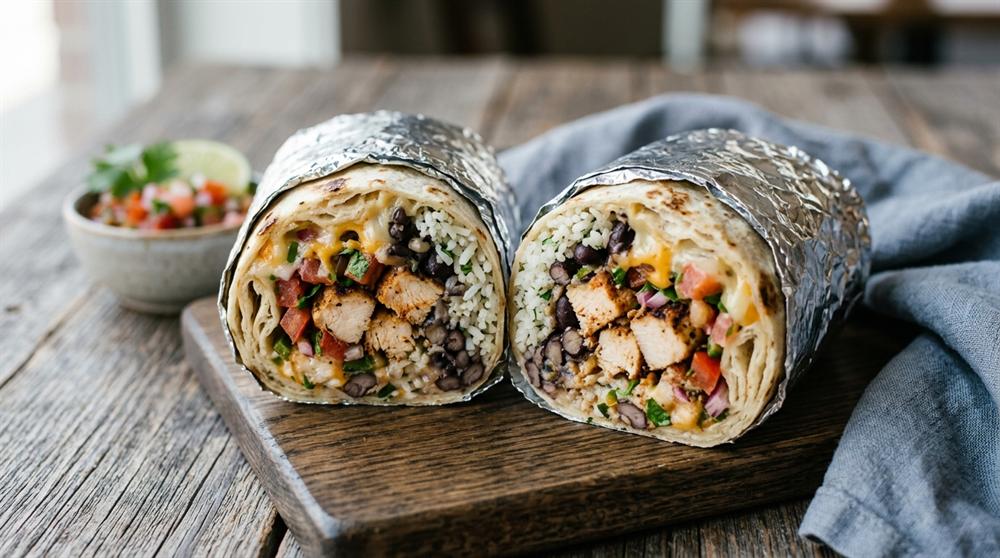
At most Mexican fast-casual chains, tortillas are kept in plastic bags and heated on a steam table or dry grill before assembly. At Pancheros, the process is entirely different. Every burrito and quesadilla starts as a small ball of fresh dough. When you place your order, this dough ball is placed in a custom industrial hot press, flattening and cooking the tortilla right in front of your eyes in seconds.
This process has significant structural and sensory benefits. A fresh-pressed tortilla is incredibly soft, warm, and stretchy. Because it hasn't dried out in a plastic bag, it has superior elastic properties, meaning it rarely rips or leaks, even when stuffed with extra salsa or guacamole. From a caloric standpoint, however, a fresh-pressed tortilla is substantial. The standard large burrito wrapper contains 350 calories and 54g of carbohydrates, which is equivalent to nearly four slices of white bread. For low-carb or keto dieters, substituting this with a bowl or salad is the single most effective macro choice. The high gluten content in the wheat flour allows the dough to stretch incredibly thin, keeping the structural integrity intact while forming a barrier that locks in the juices of grilled chicken and hot queso.
Meet "Bob the Tool": The Perfect Bite Philosophy
Anyone who has eaten a standard burrito has likely encountered the "pocket" problem. This occurs when a burrito is rolled with ingredients placed in vertical layers, resulting in a bite of pure sour cream, followed by a bite of pure rice, and finally a block of dry chicken at the end.
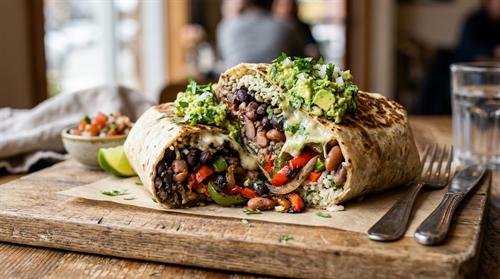
Pancheros solved this problem by inventing "Bob the Tool"—a custom blue plastic spatula. After the customer chooses their toppings, the staff member uses Bob to vigorously stir and mix all the ingredients directly on the open tortilla. Once mixed into a cohesive, delicious mixture, the burrito is wrapped. This ensures that every single bite contains a perfect, uniform distribution of protein, cheese, rice, beans, salsa, and guacamole. While it might look less visually distinct inside, the taste experience and macro balance per bite are vastly superior. From a cognitive standpoint, eating a mixed burrito prevents taste fatigue, satisfying your palate from the first bite to the last.
Dietary Guides: Navigating the Menu
1. Gluten-Free Guide
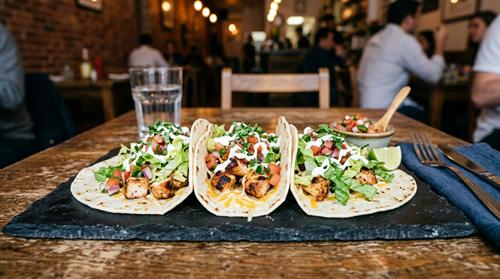
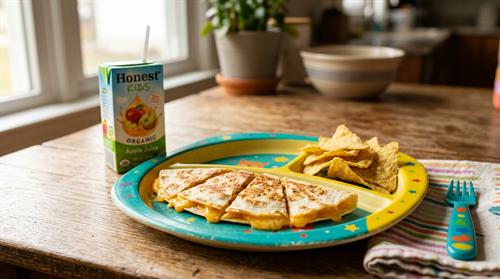
For individuals with Celiac Disease or general gluten sensitivities, navigating fast-casual menus can be challenging. At Pancheros, the primary source of gluten is the large flour tortilla (used for burritos, quesadillas, and kids meals) and the small soft taco shells.
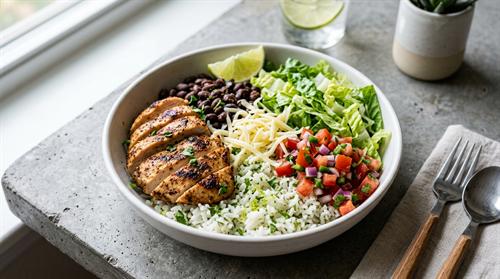
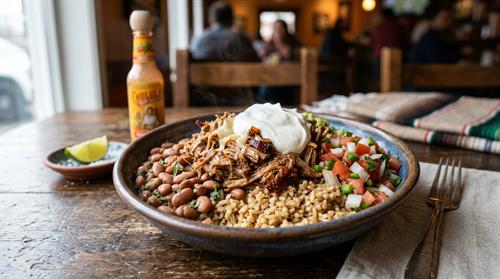
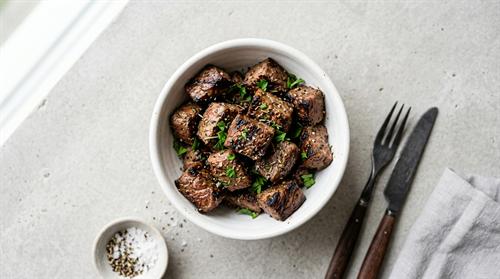
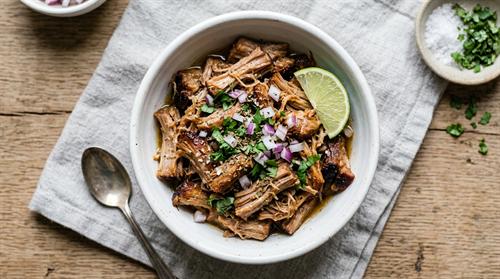
Fortunately, you can easily build a delicious gluten-free meal by opting for a Burrito Bowl or a Salad. All proteins (Chicken, Steak, Carnitas, Tofurizo), beans (Black, Pinto), rice (Cilantro Lime, Brown), cheeses, salsas, and sour cream are naturally gluten-free. However, cross-contamination is a risk since staff handle flour tortillas continuously. If you have celiac disease, notify the staff so they can change gloves and scoop from fresh ingredient containers. You should also request that they wipe down the preparation board before mixing your bowl.
2. Dairy-Free Guide
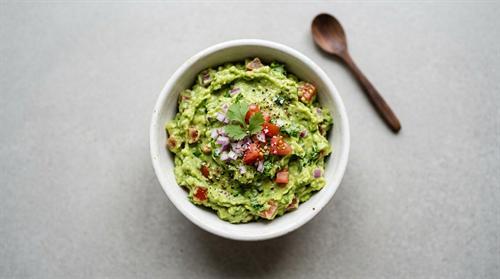
Dairy allergens at Pancheros are concentrated in three key items: Monterey Jack Cheese, Signature Melted Queso, and Sour Cream. All meat proteins, beans, rice, and salsas are prepared dairy-free. Keep in mind that the flour tortilla is dairy-free as well. A dairy-free custom burrito containing grilled chicken, brown rice, black beans, fajita veggies, guacamole, and pico de gallo is a safe, balanced, and high-protein selection. For a creamy texture, choose guacamole as your primary fat source instead of sour cream or queso, which immediately eliminates the dairy allergen while providing heart-healthy monounsaturated fats.
3. Vegetarian & Vegan Guide
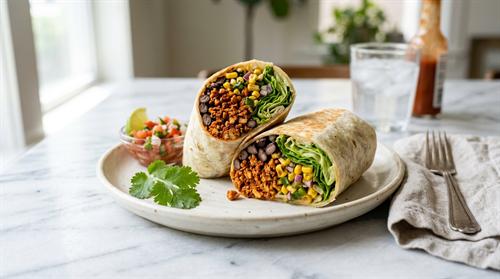
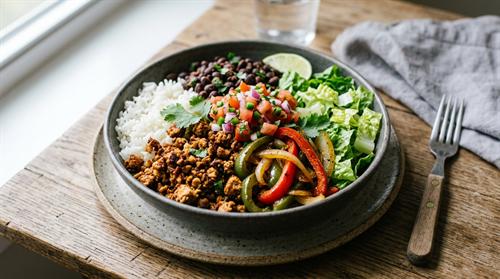
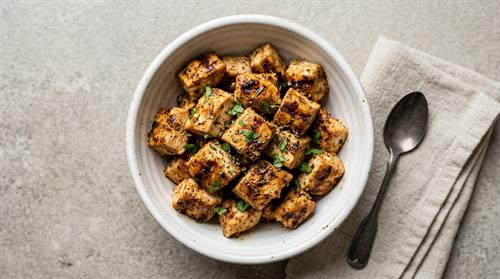
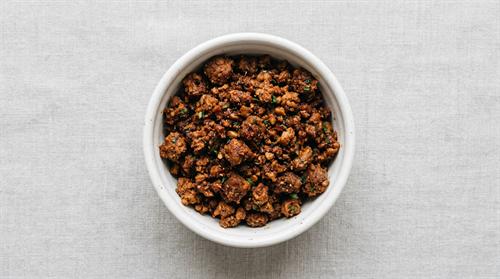
Pancheros is highly accommodating to plant-based diets. In addition to a double-bean vegetarian option, they offer Tofurizo—a seasoned organic soy crumble that mimics spicy chorizo. Unlike many soy proteins that can be dry, Tofurizo is simmered in a rich tomato, garlic, and spice base, giving it a smoky, fiery flavor profile that pairs beautifully with sweet corn salsa and creamy guacamole.
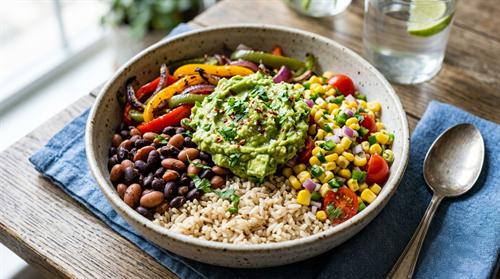
For vegans, a Tofurizo bowl with rice, beans, fajita veggies, salsas, and guacamole is a complete vegan meal containing no dairy, lard, or animal products. (Note: Pancheros pinto and black beans are cooked without lard, making them 100% vegetarian and vegan friendly, unlike traditional Mexican cooking methods that rely heavily on pork fat to flavor pinto beans).
How Calories are Calculated: The Math Behind Your Meal
Many diners are surprised to learn that a seemingly healthy burrito can easily top 1,100 calories. How does this happen? Let's look at the math:
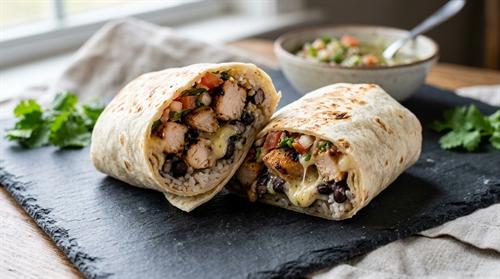
A standard chicken burrito consists of:
- Fresh-pressed flour tortilla: 350 calories
- Grilled Chicken (3oz): 90 calories
- Cilantro-Lime White Rice (4oz): 210 calories
- Black Beans (3.4oz): 60 calories
- Shredded Jack Cheese (1oz): 60 calories
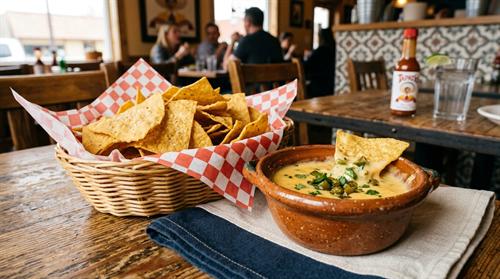
- Signature Queso (1.9oz): 150 calories
- Pico de Gallo (2oz): 15 calories
If you add guacamole (60 cal) and sour cream (60 cal), your total leaps to 1,055 calories. By understanding the calorie weights of each component using our Interactive Calculator, you can strategically swap items—such as choosing a bowl instead of a tortilla, or salsa instead of queso—to hit your exact fitness targets. These estimates are based on standardized scoop weights, but real-world portions vary depending on the employee scooping the food, making active tracking and request control critical for maintaining caloric deficits.
Deep Dive: Understanding the Macro Profiles of Toppings
To craft the ultimate meal, one must understand how different toppings shift the nutritional value of a standard bowl. The foundation is usually rice and beans. Cilantro-lime white rice adds 210 calories and 39g of simple carbs. Pinto beans and black beans both yield 60 calories, but black beans have slightly higher dietary fiber (8g vs 7g) and less sodium.
Adding cheese and sour cream is the most common way to accidentally spike the saturated fat. Each scoop of shredded Monterey Jack cheese adds 60 calories and 5g of fat. A single scoop of sour cream contributes another 60 calories and 5g of fat. If you choose the signature queso, you add 150 calories, 12g of fat (7g saturated), and 390mg of sodium. While queso adds a rich flavor, it is one of the densest additions on the menu.
Conversely, toppings like pico de gallo (15 calories), mild green salsa (15 calories), and hot red salsa (20 calories) are incredibly low in calories and fat, yet pack a massive punch of flavor. They also contain fresh tomatoes, onions, garlic, and capsaicin from hot peppers, which offer natural antioxidant benefits and support metabolic health. Salsas should be your primary weapon for adding moisture and spice to your bowl without blowing past your daily calorie target.
The Science of Weight Loss and Gym Meal Construction
For individuals in a fat-loss phase, high volume and low caloric density are key. Satiety is driven primarily by the volume of food in your stomach, which stretches gastric walls and signals fullness to the brain. To maximize volume at Pancheros without excessive calories, start with a romaine lettuce base. Skip the rice, and request double black beans. Black beans are loaded with soluble fiber, which slows digestion and delays the release of ghrelin, the hunger hormone. Add grilled chicken for lean protein, and load up on pico de gallo, corn salsa, and fajita veggies. This yields a massive, satisfying meal that is rich in nutrients and fiber while staying under 350 calories.
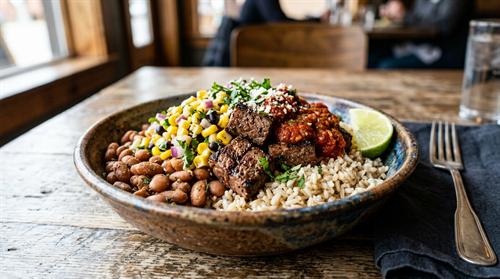
For muscle building, protein synthesis requires a steady supply of amino acids alongside sufficient carbohydrates to trigger insulin release, which aids nutrient transport. A double steak or double chicken bowl provides over 55g of high-quality bioavailable protein containing all essential amino acids (specifically leucine, which is critical for muscle hypertrophy). Pairing this with white or brown rice replenishes muscle glycogen stores depleted during heavy resistance training, while pinto beans add essential minerals like potassium and magnesium to support muscle contraction and recovery.
Healthy Dining Tips: Navigating the Line Like a Nutritionist
When standing in line at Pancheros, it is easy to get overwhelmed by the options and let your hunger dictate your choices. To build a meal that aligns with your wellness goals, keep these rules of thumb in mind:
- Control the Portions: Ask for "light" portions of cheese, sour cream, or rice. The staff are trained to scoop generously, but a simple request for a half-scoop can save you 100-200 calories instantly.
- Double Up on Veggies: The sautéed bell peppers and onions (fajita veggies) add excellent volume, fiber, and micronutrients for only 40 calories. Asking for double veggies helps fill up your bowl or burrito, keeping you satisfied longer.
- Make Smart Dressing Choices: The red pepper vinaigrette is delicious but contains canola oil and sugar. A single serving adds 140 calories. Try substituting it with a mix of hot salsa and a squeeze of fresh lime juice to dress your salad instead.
- Skip the Tortilla: By choosing a bowl or salad instead of a burrito, you save 350 calories and 54g of white flour carbohydrates. This simple choice is the easiest way to turn a heavy meal into a clean, health-conscious lunch.